01
A face
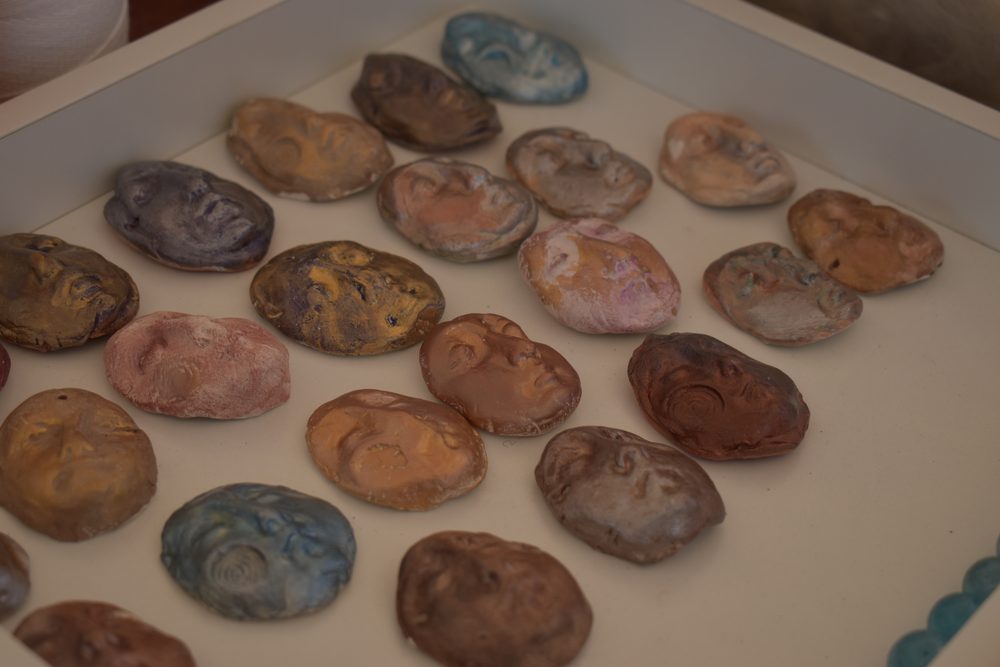
Pressed and painted — copper, blue, gold, bare clay. Most people spend longer on the expression than they expect to, and most people recognise it when it arrives.
A day of making something that holds what you are carrying.
A day of exploring the inner and outer relationships of self. As you build your own doll you tap into the love, healing and creativity of who you are, who you want to be, and what inner qualities you hold dear.
You arrive with nothing in particular in mind and leave carrying an object about a foot tall that is unmistakably yours. People put it on a shelf where they can see it. That is the whole of it, and it is harder to explain than it is to do.
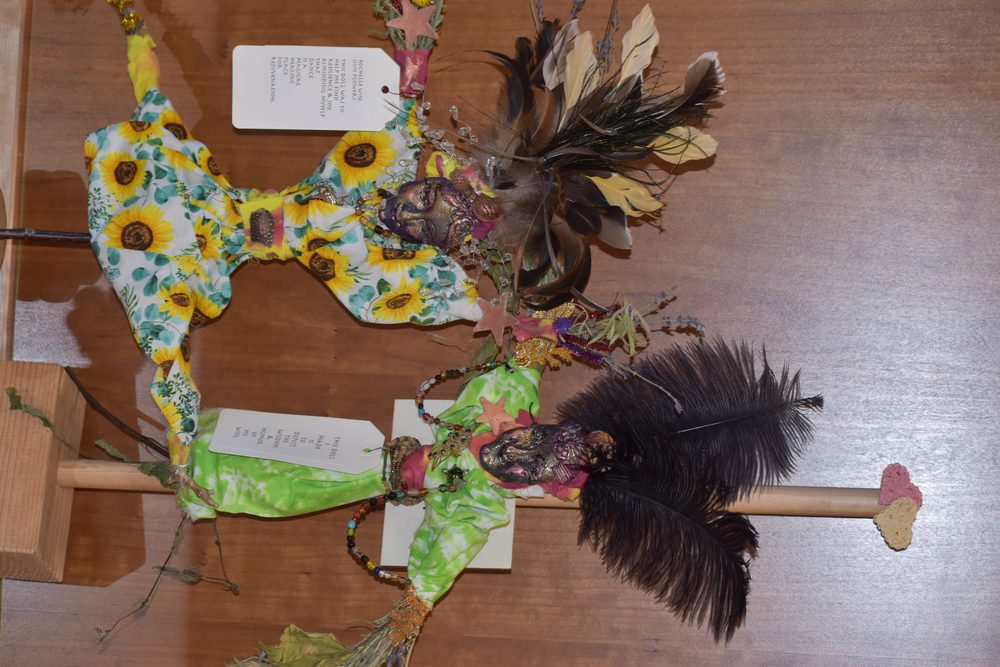
Not a toy and not a craft project. A spirit doll is a figure you make to stand for something — a part of yourself you are trying to reach, a quality you want more of, a person you have lost, a version of you that got you through something and never got thanked for it. People have made figures for exactly this reason for a very long time, in almost every culture there has been.
What makes it work is ordinary and slightly strange: once the thing is out of you and standing on the table, you can look at it. You can walk round it. You can decide it needs a sword, or a crown, or softer cloth. That is a different kind of thinking from talking about the same subject, and it reaches people who have run out of words for it.
No two of these come out alike, so the day is less a set of instructions than four decisions, each one bigger than it looks.
01
Pressed and painted — copper, blue, gold, bare clay. Most people spend longer on the expression than they expect to, and most people recognise it when it arrives.
02
Sticks, driftwood, a length of branch, a bottle for a base. Whether she stands straight, leans, or throws both arms out is the first thing anyone reads about her.
03
Fabric, feathers, beads, moss, buttons, charms, a bottle cap, a badge. This is where the doll stops being general and starts being about one particular life.
04
Nearly every doll ends up with a tag its maker wrote — a name, a list of qualities, what she is for. Often the last step, and often the one people say did the most.
These were made by people who came to previous workshops. The range is the point: a doll of moss and copper, an owl in harlequin cloth, a figure of bare driftwood with its arms up. Nobody here was told what to make.
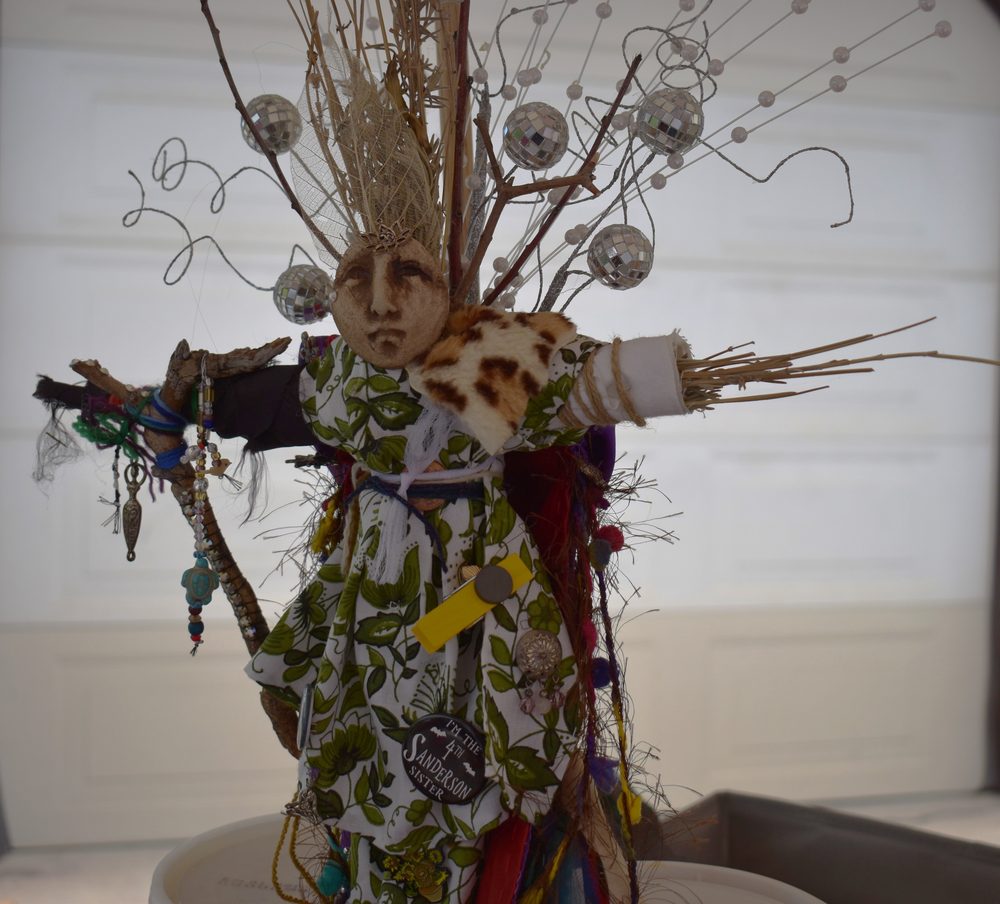
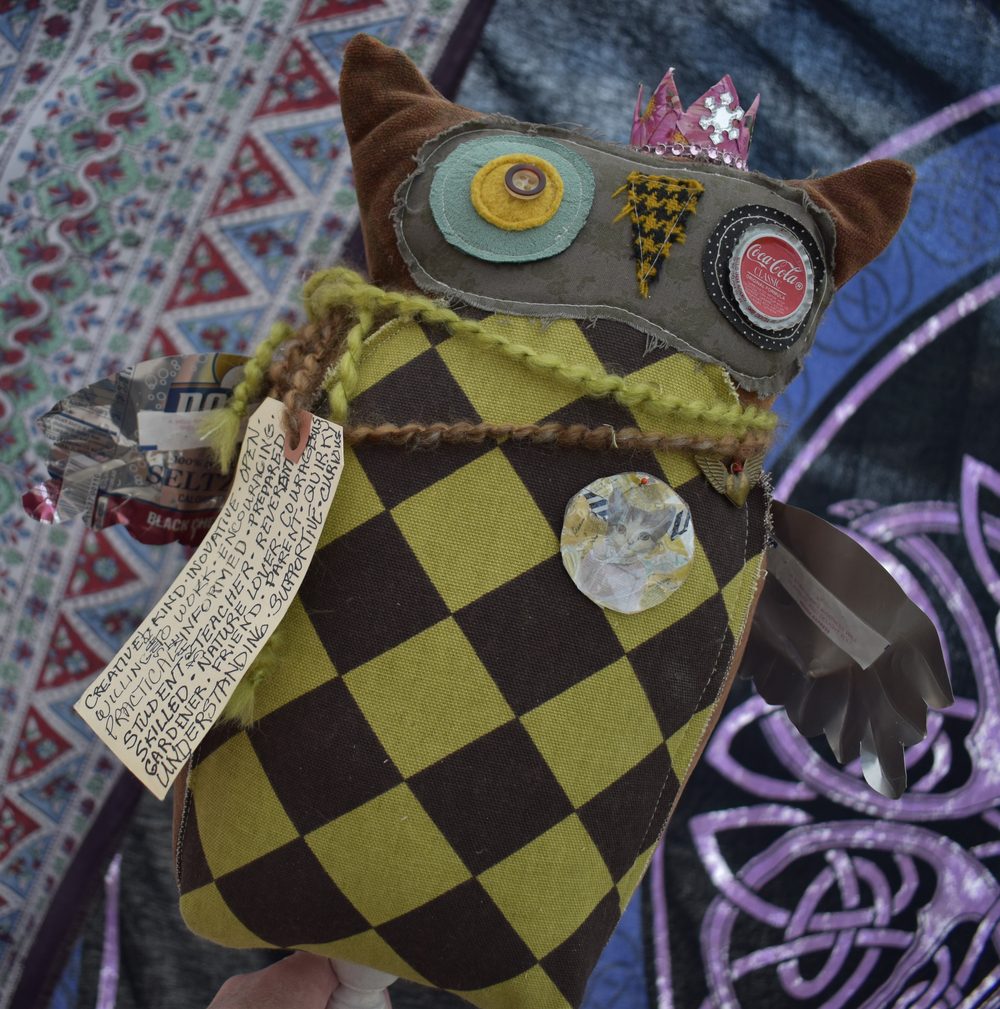
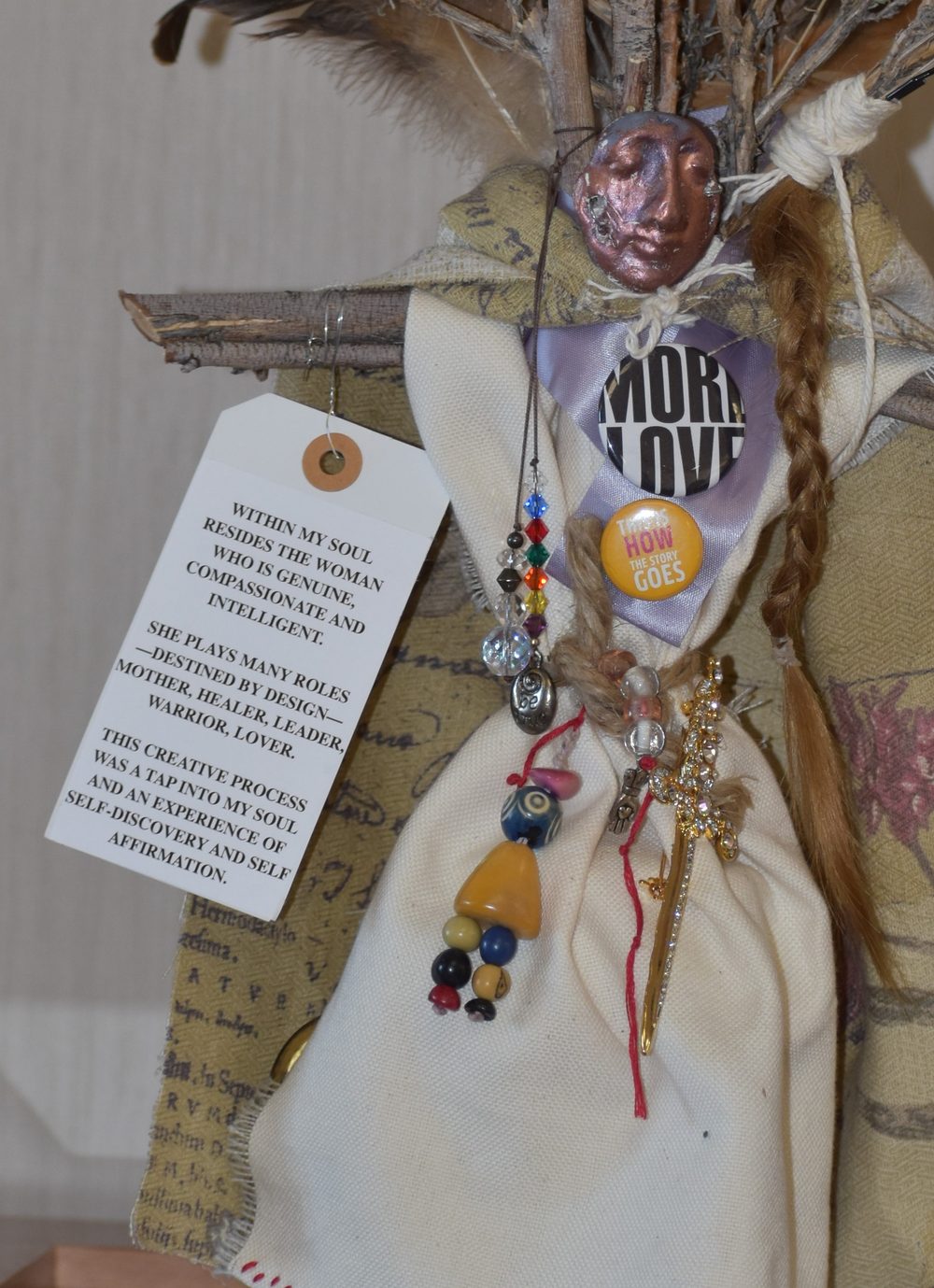
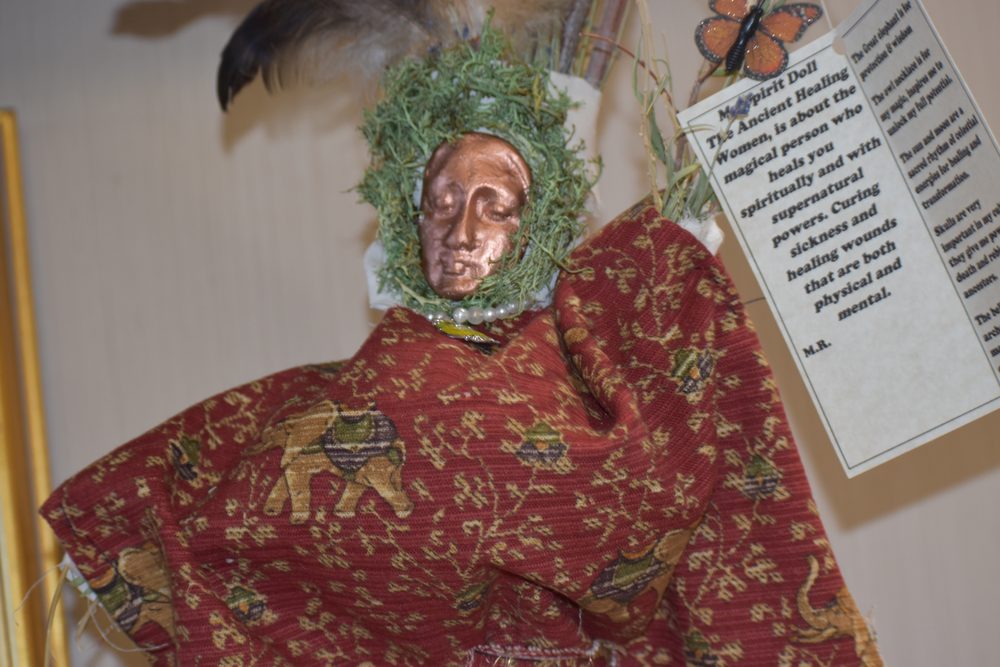
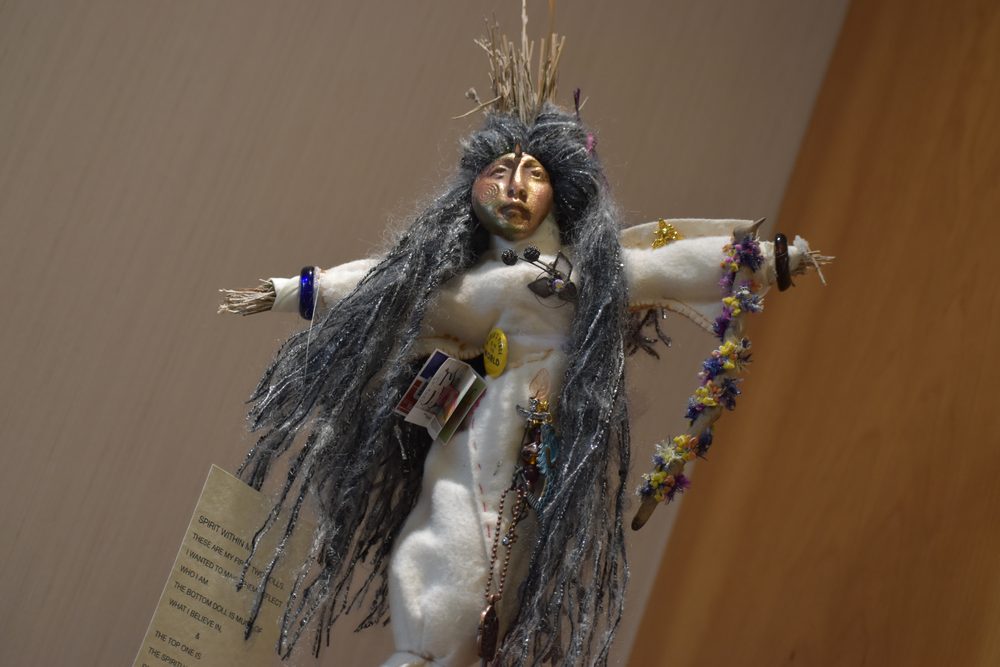
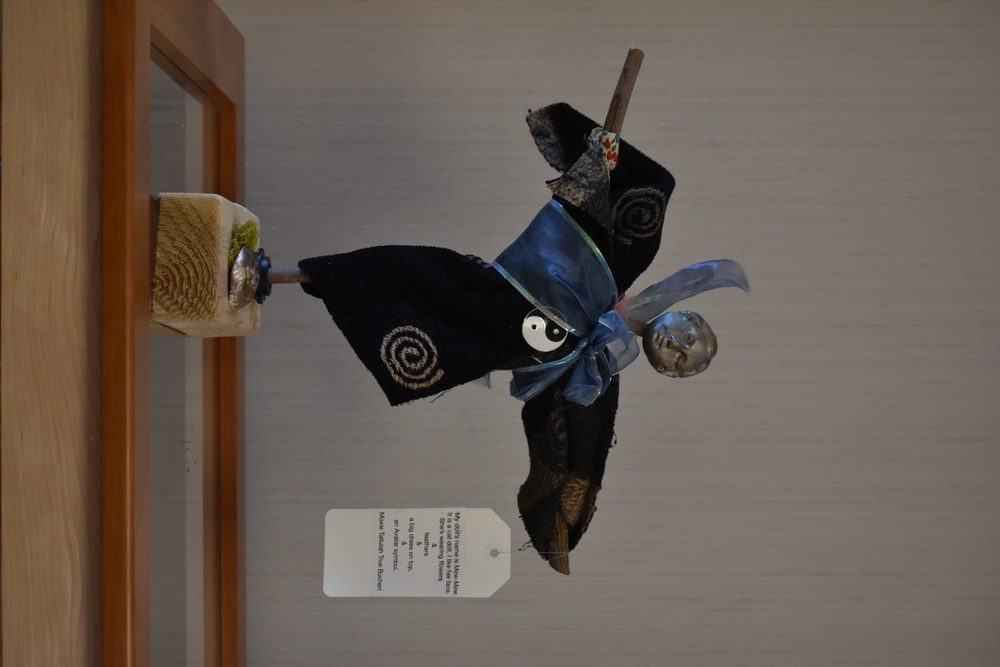
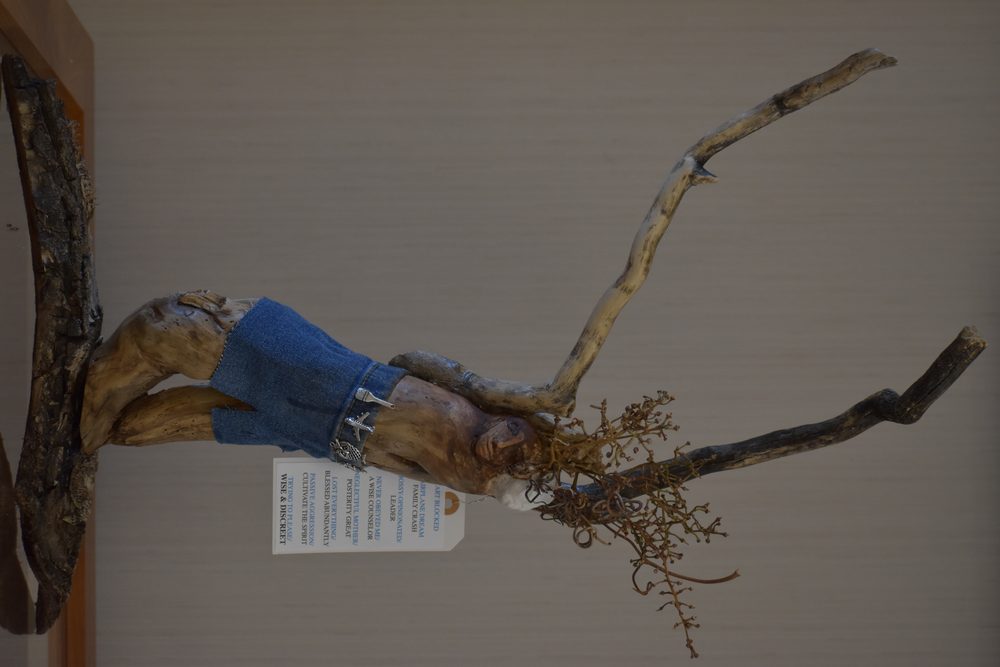
This is the question people ask first, and the answer is genuinely no. There is no drawing, no sewing pattern and no skill being assessed. The photographs above include first attempts by people who had not made anything since school, and you cannot reliably tell which ones those are.
It is a full day in a room with other people doing the same thing, which is its own reason to come. You are welcome to talk the whole time or to say almost nothing.
It is a workshop, not a therapy session. There is no treatment plan, nothing is billed to insurance, and nobody will ask you to explain your doll to the room.
It does sit inside a therapy practice, and that is deliberate. Days like this can open things up, and it matters that the people running it know what to do when they do. If something surfaces that you want to keep working on, the practice is right here and a 15 minute consultation is free.
It runs at the practice, 144 East 1200 South, Orem. Dates are set a few at a time — if none is listed on the groups and events page, call us on (385) 220-4751 and we will tell you when the next one is, or put you on the list for it.
Sign up to receive free wellness tips, upcoming events, promotions, and more!
Your privacy is of utmost importance and you can unsubscribe at any time. We never share our email list.
New patients welcome. Most major insurance accepted.